





2023 – 2027
UCLA
B.S. Statistics and Data Science · Minor in Data Science Engineering
GPA 3.9 · Major GPA 4.0
Product thinker working at the intersection of user behavior, data, and AI.
Follow the evidence trail

Freya Yubei Li
Product · Data · AI
In Zillow’s rental journey, I traced uncertainty back to the qualification details renters need early.
See the evidence Analytical judgmentAcross 7.7M healthcare encounters, I framed patterns as where to investigate, not as proof of causality.
See the evidence AI product thinkingFor an early-stage AI assistant, I turned open-ended onboarding needs into structured workflows and tests.
See the evidence Cross-functional executionI led a six-person data storytelling project and built its shared data foundation.
See the evidenceI work where analytics meets product. I find the signal in user behavior and turn it into decisions a team can act on.
UCLA Statistics and Data Science · AI product at IntraAtria · UCLA NLP group


B.S. Statistics and Data Science · Minor in Data Science Engineering
Undergraduate Research Assistant
AI Product Management & Data Analytics Intern
earlier workQuality Zone Technology · Branding & Data Analytics Analyst · Mar 2022 – Aug 2023 · Customer behavior, campaigns, pricing
Scan the essentials here. Open the 60-second brief for my reasoning, or continue to the complete artifact only when you want the details.
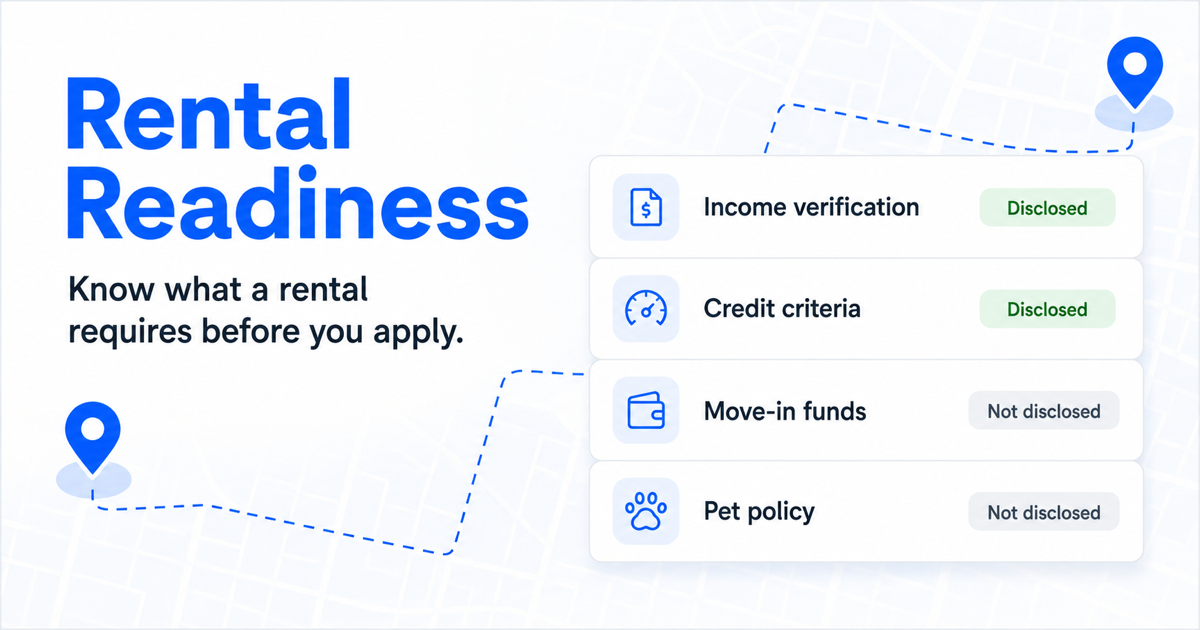
How might Zillow help renters understand application readiness before they invest time?
Metrics are proposed success measures, not shipped outcomes.
Renters can discover and save listings easily. Important qualification details often appear only after they have already invested time. I focused on an earlier question: can a renter tell whether an application is worth pursuing?
I reviewed the full rental journey and marked where requirements, affordability, documents, and next steps become unclear. The main issue was not a lack of listings. Renters needed key decision information in one place and at the right time.
I designed a readiness layer that brings requirements forward and helps renters prepare before applying. It does not approve or rank applicants, and it never promises an outcome. This keeps the guidance useful without creating false confidence.
I would track readiness check completion, qualified application starts, progress from saved listings, and exits caused by uncertainty. I would also test whether the guidance is clear, accessible, and equally useful across different renter groups.
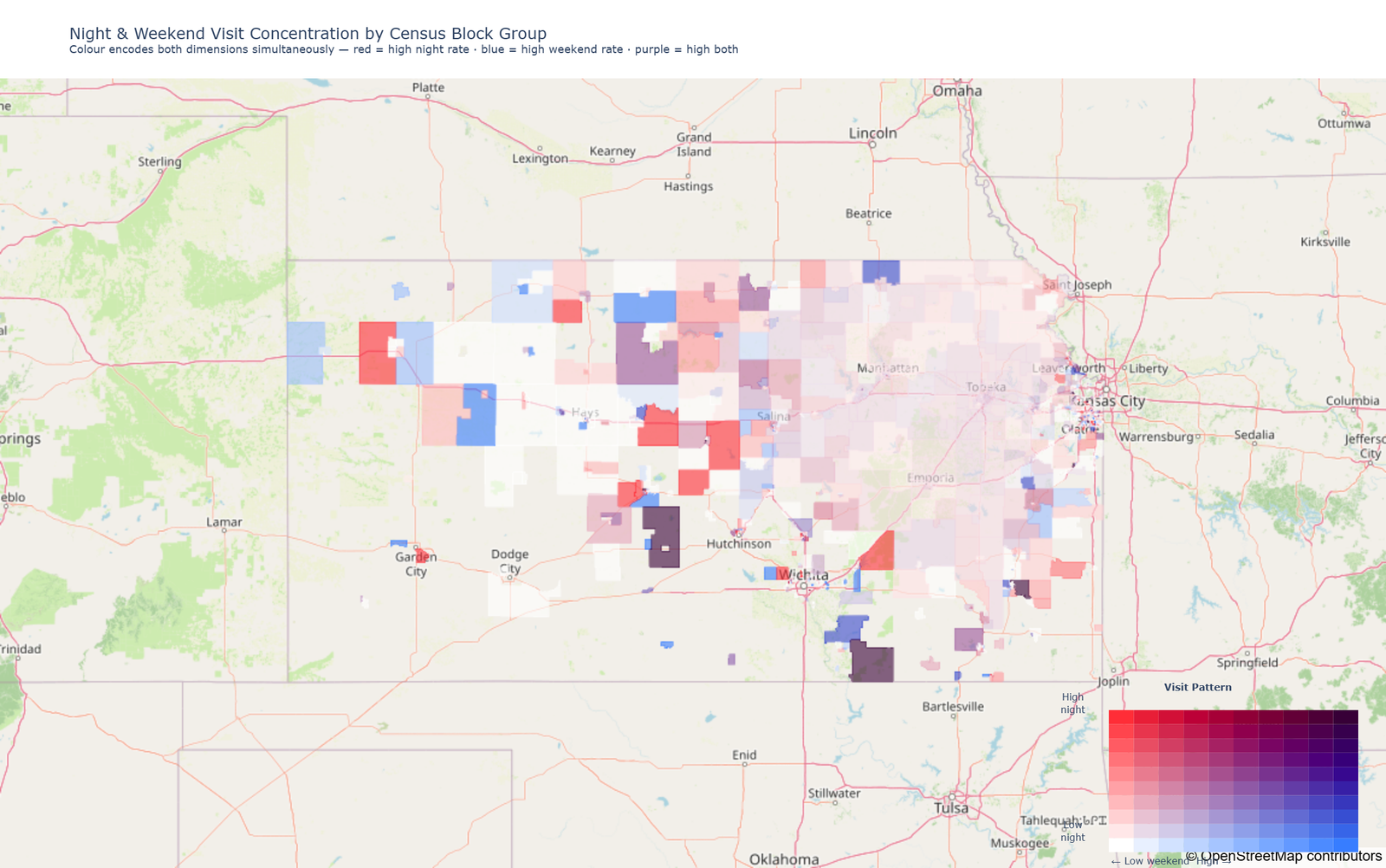
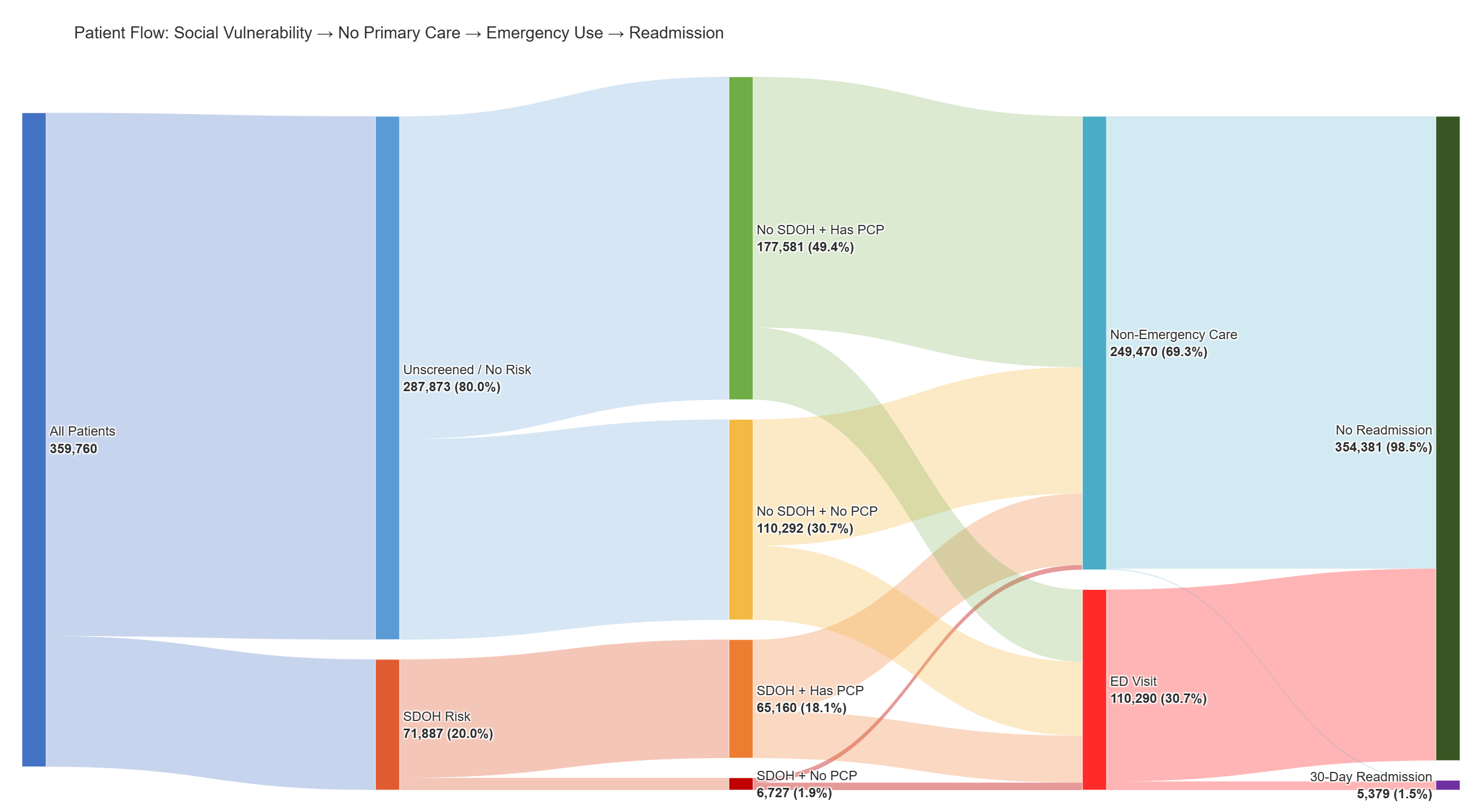
What patterns in 7.7M encounters could help an operations team focus its next intervention?
55.6%, 8.7×, and AUC 0.953 are research findings, not claimed business outcomes.
The dataset contained millions of encounters, but the right intervention was not obvious. I focused on a practical question for an operations team: which patterns in access and use should the team investigate first?
I studied access conditions, emergency use, timing, continuity of care, and predictive signals across 7.7 million encounters. I compared several views of the data to find repeated patterns and separate them from one time observations.
Two important signals were 55.6% broadly avoidable use and an 8.7 times weekend surge. These results do not prove what caused the pattern. They suggest that weekend access and continuity of care are strong places to begin the next investigation.
The model reached an AUC of 0.953, which shows strong signal detection. It does not prove patient or business impact. A real test would also need input from clinical teams, patient safety checks, subgroup monitoring, and clearly defined outcomes.
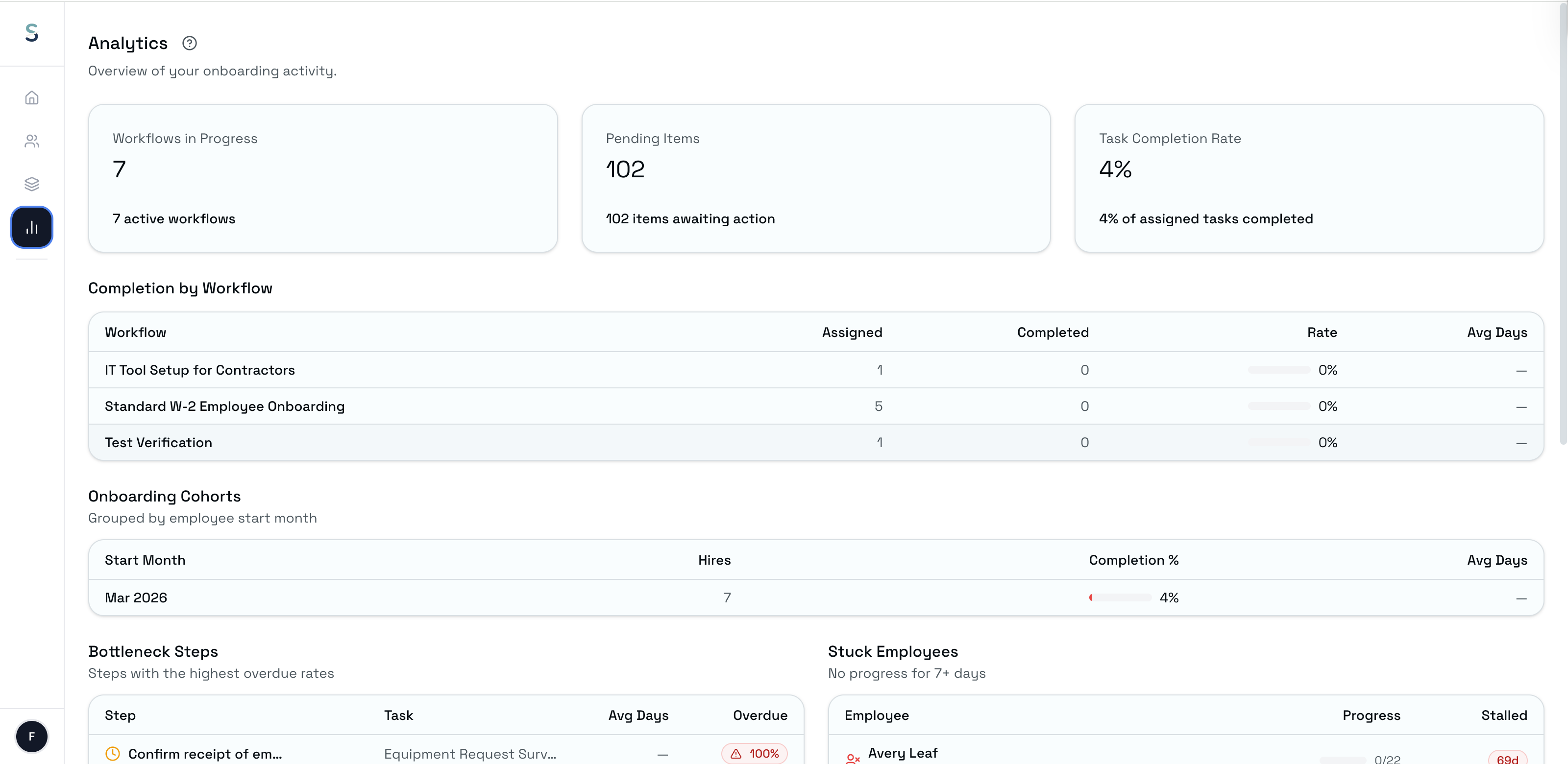
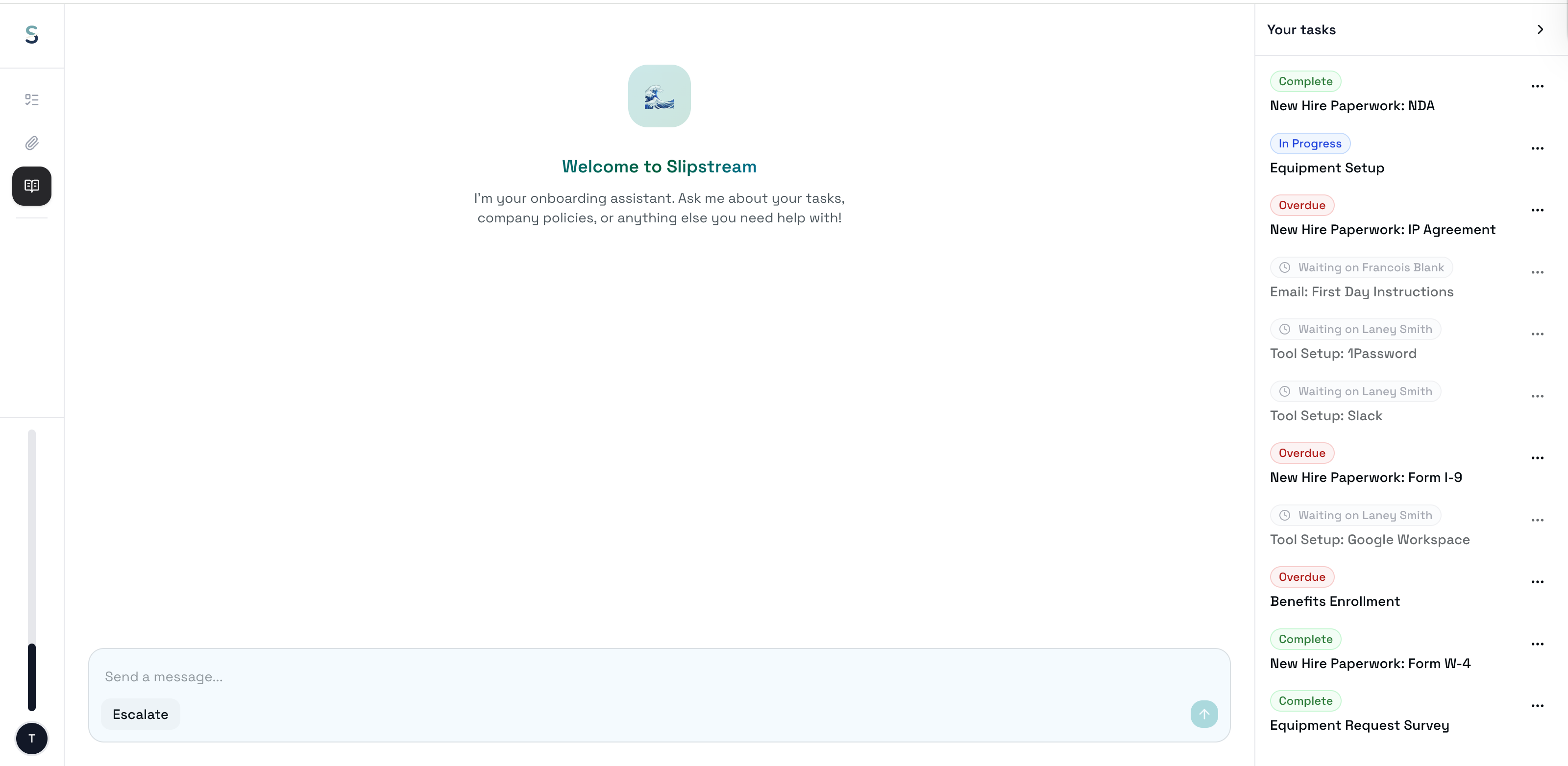
How do you turn an open-ended AI idea into behavior a team can actually test?
Public content is limited to non-confidential process and scope.
The AI onboarding assistant had a promising direction, but the team did not yet share one definition of correct behavior. Before adding more features, we needed to agree on what the assistant should do when a request is clear, incomplete, or unexpected.
I broke each onboarding moment into the user input, assistant response, next step, unusual cases, and possible failures. More than 30 workflows made hidden assumptions visible and gave product and technical teammates one shared reference.
I used workflows and simulations to define expected behavior before the product grew. This helped the team discuss specific responses and limits instead of relying on general impressions of whether the assistant felt good.
The 30 plus workflows show what I delivered, but they do not measure user impact. I would evaluate task completion, serious failures, recovery quality, repeated corrections, and user confidence. New problem cases would guide the next round of testing.
Connected approximately $554K in spend, 8K attributable purchases, and an approximate $69 CPA into a decision-ready performance view.
Led a six-person tourism data project, cleaned three of four datasets, and normalized comparisons to a 2019 baseline.
Built an auditable modeling trail across roughly 7K observations and 90+ variables, earning second place in class.
Accepted to COLM 2026. My work contributes to the careful evaluation of multi-agent reasoning and communication.
View public recordAmortized topology design for LLM multi-agent systems
Studies how a multi-agent system can choose its own communication layout for each query.
Read on arXivLearned adaptive memory management for LLM agents
Studies how LLM agents can learn when to store and recall memory, instead of relying on fixed hand-written rules.
Read on arXivAn agent’s history keeps growing, but its memory budget does not. The system has to decide what is worth keeping before it knows which questions will come. I am running experiments on whether a scoring method can keep enough information for later answers at a lower processing cost.
I have played the guzheng for more than twenty years. Some ways of listening take time. I also love EDM, snowboarding, travel, good food, and the energy of being somewhere new.


I enjoy conversations about product decisions, AI systems, data, and ideas that become more interesting the closer you look.